Bridging the Clinic and the Terminal: The Physician-Scientist Perspective
Why integrating bedside clinical insights with computational oncology creates faster, more reliable breakthroughs.
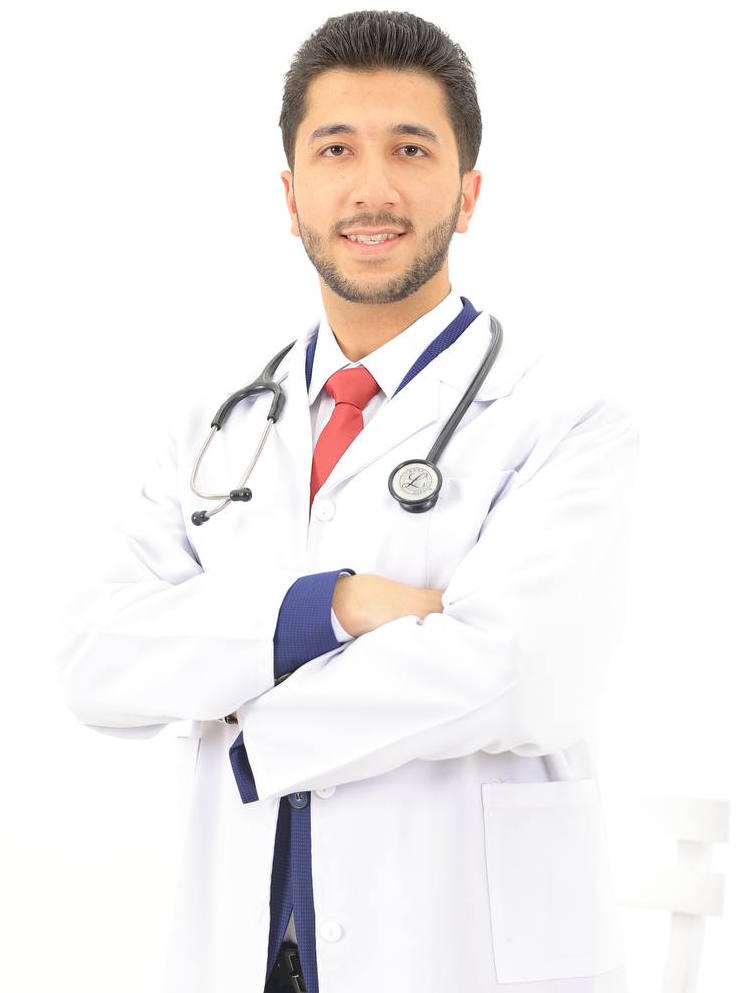 Jaber Husam Jaradat, M.D.
Bridging the Clinic and the Terminal: The Physician-Scientist Perspective
During medical training, one spends countless hours taking detailed patient histories, performing physical examinations, interpreting histology slides, and discussing treatment plans in multidisciplinary tumor boards.
Yet when looking across modern cancer care, an unmistakable shift is happening: oncology is rapidly becoming a data-driven discipline. From single-cell RNA-sequencing of the tumor microenvironment to machine learning models predicting immunotherapy response, computational tools are transforming oncology.
1. The Disconnect Between Computational Teams and Clinical Realities
Often, data scientists construct complex predictive models in isolation, disconnected from clinical relevance:
- Predicting an outcome that has no bearing on actual clinical decision-making.
- Relying on features that are unavailable or unfeasible in standard practice.
- Overfitting to cohort-specific artifacts rather than genuine pathophysiology.
Conversely, clinicians frequently view computational models as “black boxes” without understanding underlying statistical assumptions, confounding factors, or sequencing batch effects.
2. The Power of Dual Fluency
A physician-scientist who writes code and understands high-dimensional statistics brings unique advantages:
- Asking Meaningful Questions: Formulating hypotheses rooted in genuine bedside dilemmas—such as why certain patients fail immune checkpoint inhibition despite favorable PD-L1 expression.
- Validating In Silico Findings: Knowing when a transcriptomic biomarker requires validation through immunohistochemistry (IHC) on patient biopsy specimens.
- Translating Discoveries to Care: Designing digital tools, like BrighterUs, that directly address patient education and psychological support during oncologic therapy.
3. The Future: Multi-Modal Precision Oncology
The coming decade will unite electronic health records, whole-slide digital pathology, spatial transcriptomics, and circulating tumor DNA (ctDNA).
Physicians equipped with computational skills will be at the vanguard of this revolution, transforming data into compassionate, life-extending therapies.
About Dr. Jaber Husam Jaradat
Physician-scientist and medical intern pursuing U.S. Internal Medicine training with a focus in cancer bioinformatics, single-cell/spatial omics, and translational immuno-oncology. Recipient of the 2026 AACR Global Scholar-in-Training Award (GSITA) and founder of BrighterUs.